Solar Power, Day and Night
Built to last. Priced to scale.
+7% solar revenues
-15% CAPEX
-50% OPEX
0 moving part
Moonwatt’s energy storage solution is rugged by design and uncompromising on performance.
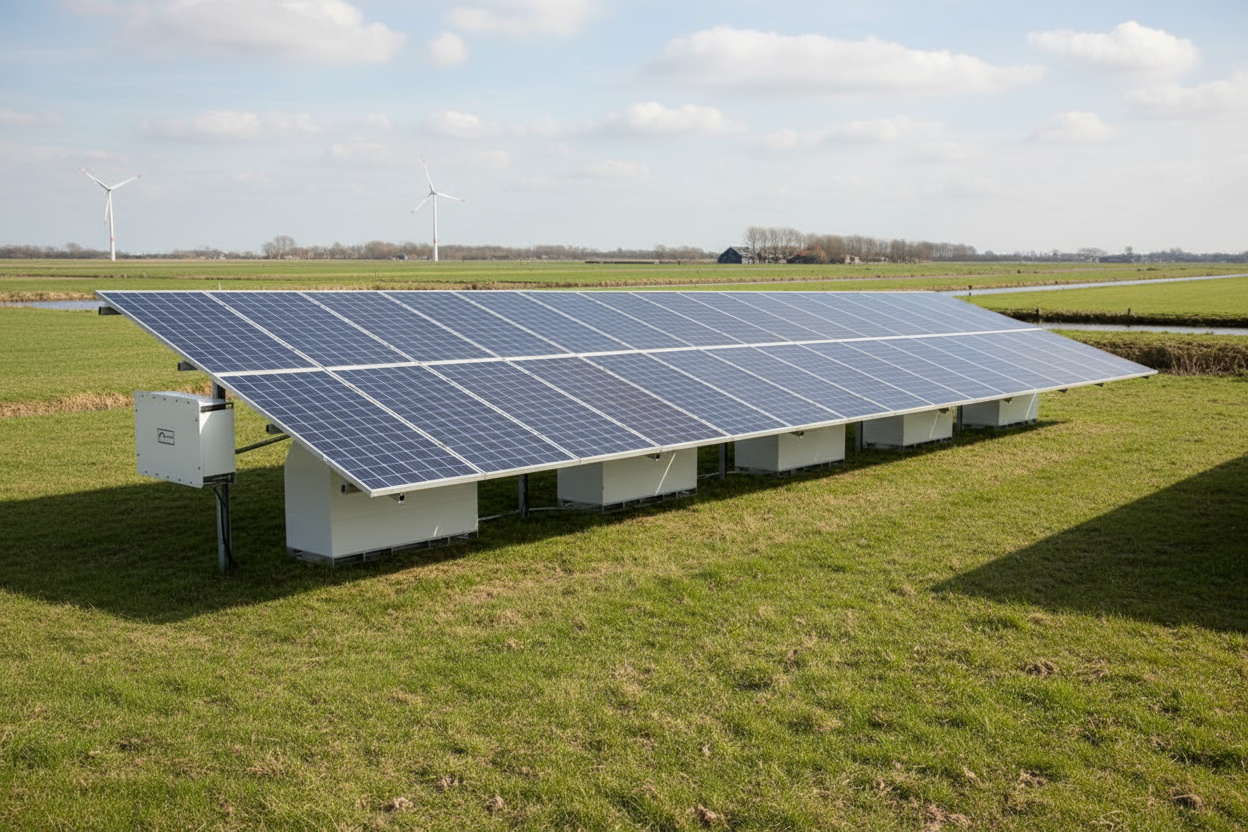
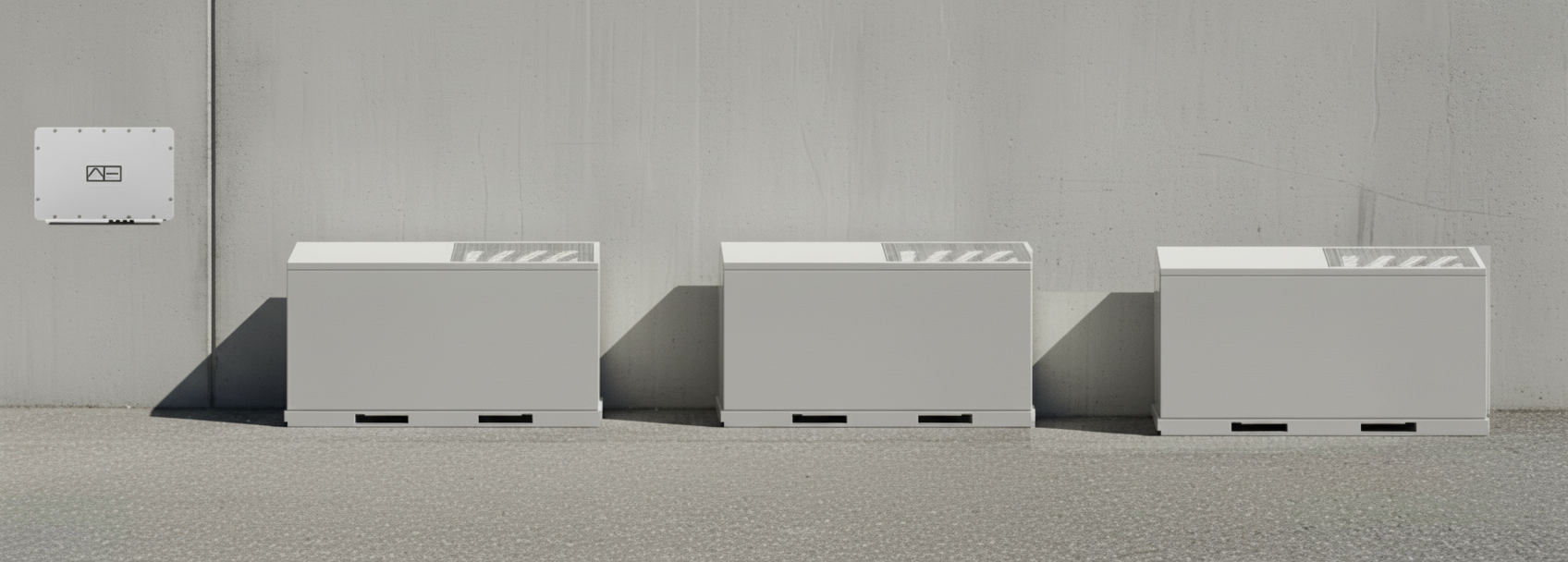
At its core is our modular “string battery” architecture, leveraging advanced sodium-ion cells housed in a passive-cooled, hermetically sealed enclosure. With no pumps, no fans, and no auxiliary thermal load, the system delivers stable performance without noise, even in the harshest environments.
Each unit is DC-coupled to solar panels via a shared hybrid inverter, enabling seamless solar-plus-storage integration without unnecessary conversion losses.
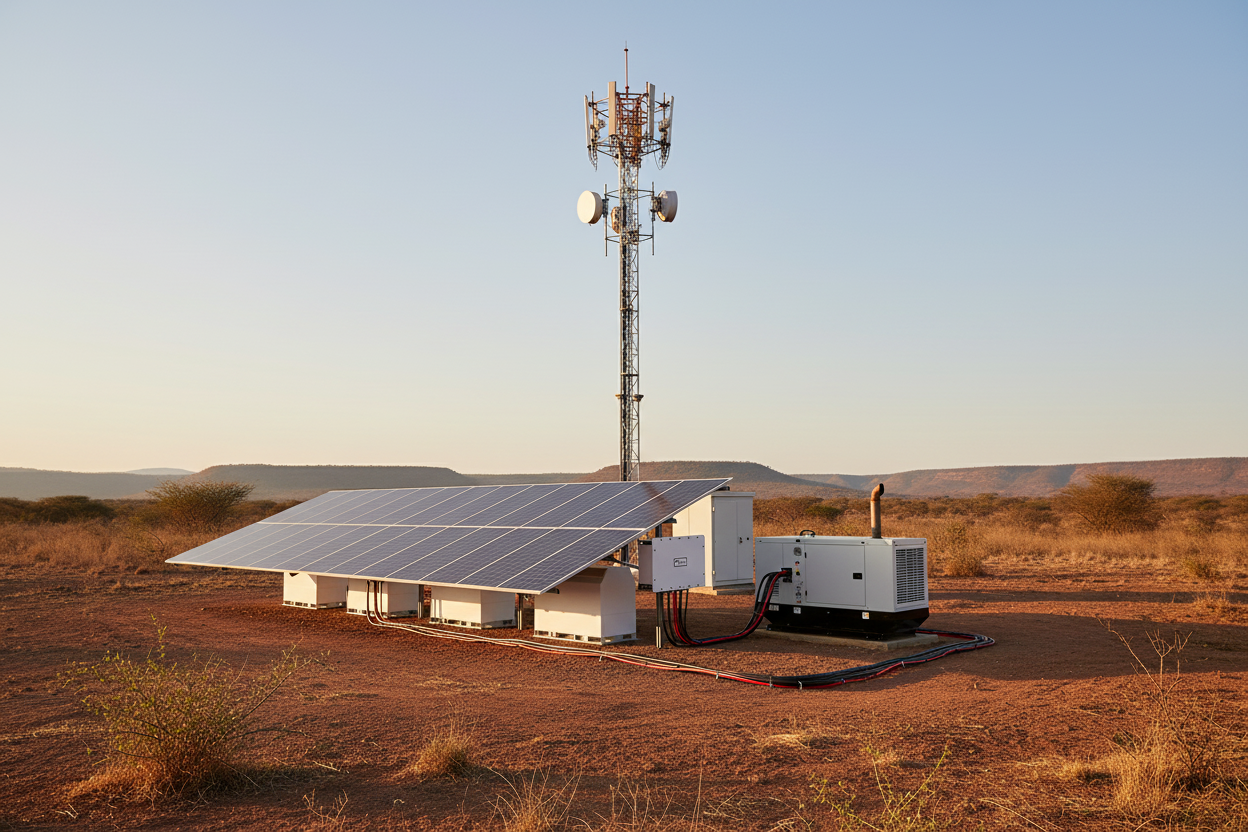
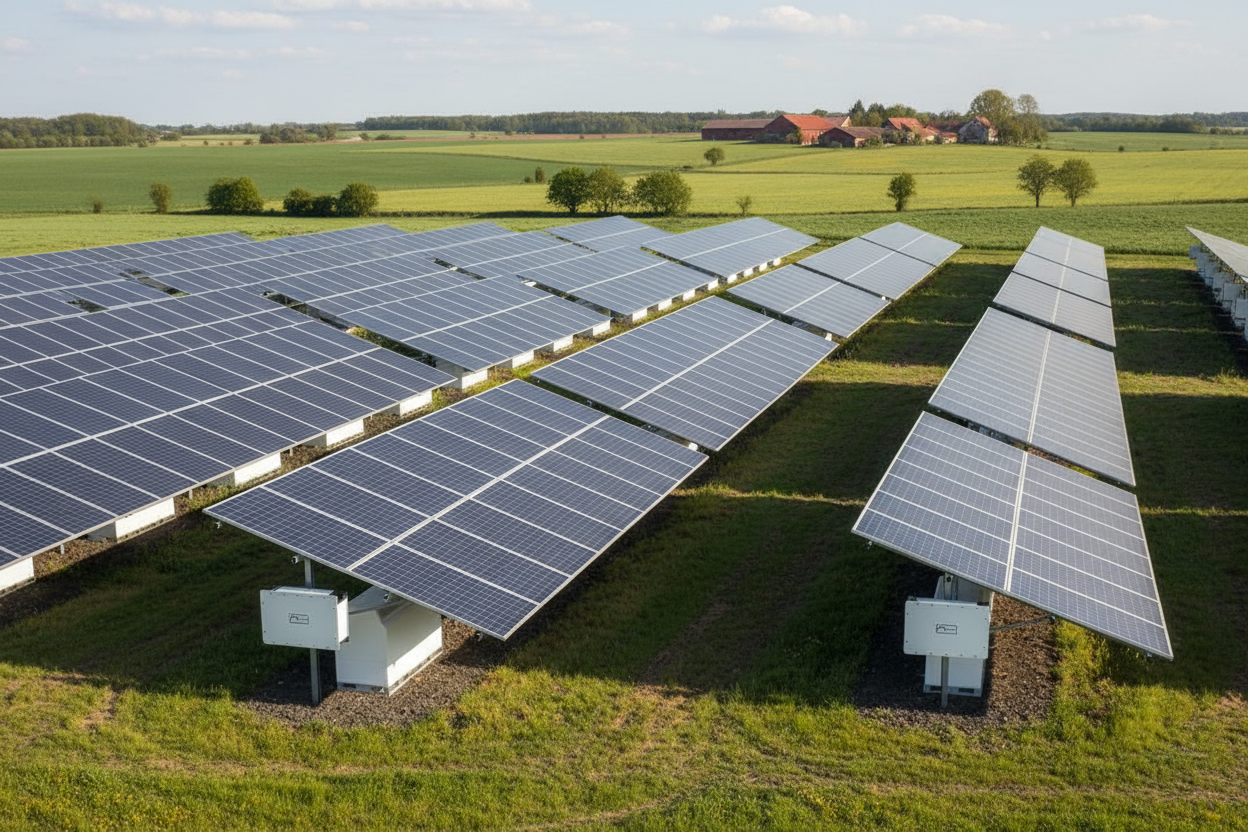
The result: a streamlined, scalable solution that powers everything, from remote sites to utility-scale stations, with maximum uptime and minimal OPEX.
Our Product
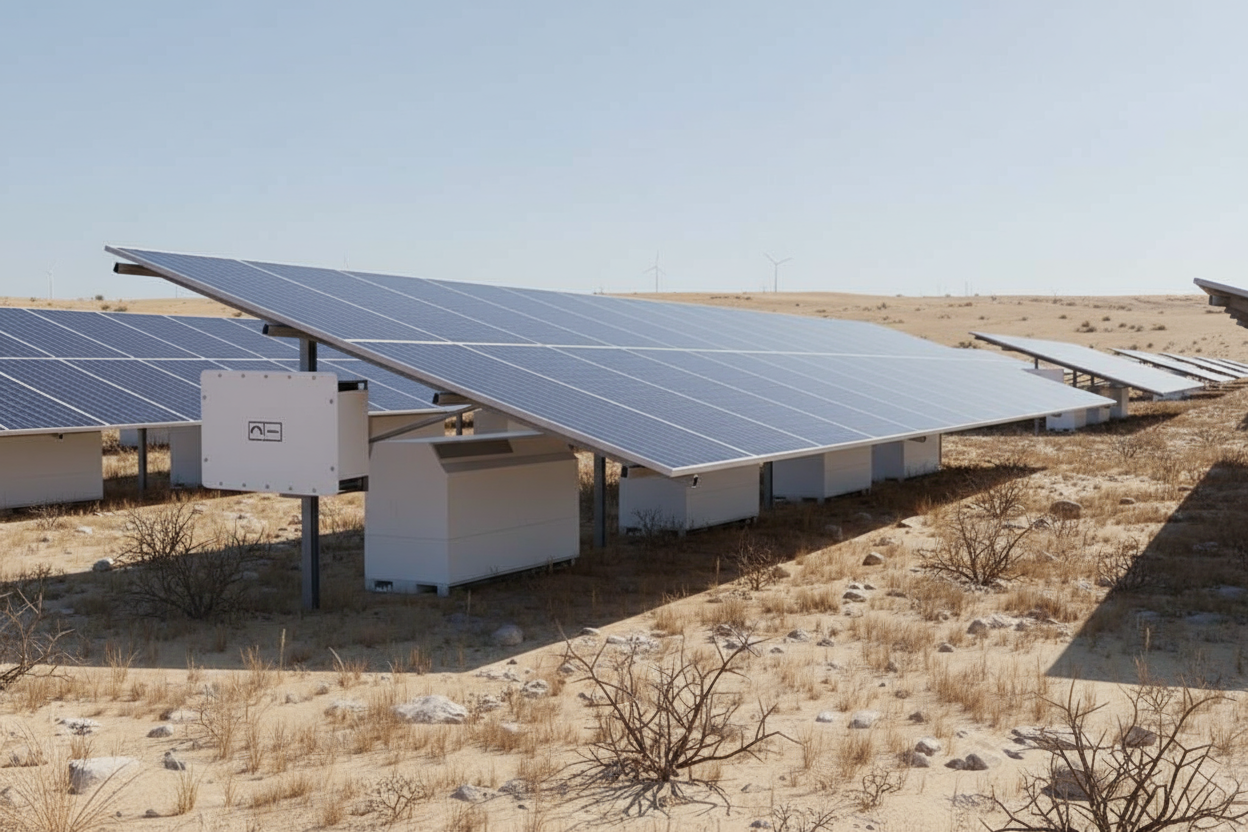
Moonwatt-Pod-01
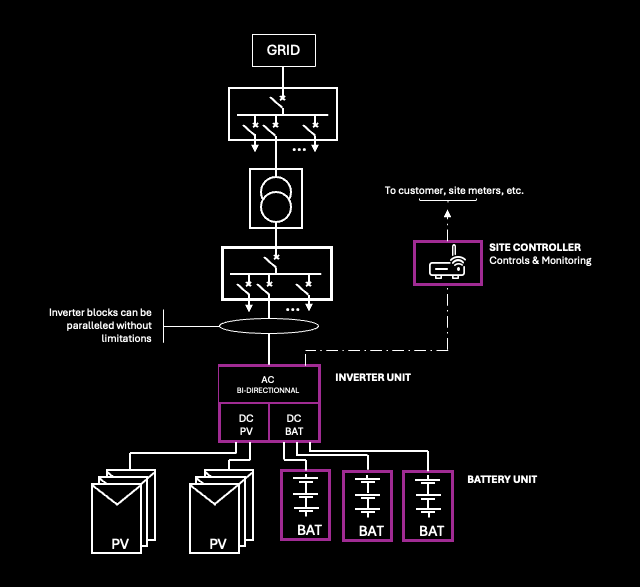
A New Class of Battery Storage Hardware
-

Sodium-ion
Sodium-ion batteries are a breakthrough because they rely on abundant, low-cost raw materials that avoid the scarcity and geopolitics of lithium. Their chemistry offers exceptional safety, with lower risk of thermal runaway and stable performance even in harsh conditions. They can be produced using existing lithium-ion manufacturing lines, enabling rapid scaling without requiring outsized investment. Their performance is increasingly competitive, especially for stationary storage where energy density is less critical. Ultimately, sodium unlocks truly affordable and resilient 24/7 renewable energy at global scale.
-

Passive Cooling
Passive cooling delivers exceptional reliability because it removes the mechanical weak points found in active systems—no pumps, no fans, no moving parts. With nothing to wear out, maintenance needs drop sharply, reducing both downtime and long-term operating costs. The system runs completely silently, improving acceptance in urban or noise-sensitive environments. It also avoids the consumables and periodic servicing that active cooling requires, making operations simpler and more predictable. And since it draws no auxiliary power, passive cooling preserves round-trip efficiency and maximizes the usable energy delivered to the grid.
-

Distributed
A decentralized storage system places energy capacity closer to the load or generation source, reducing electrical losses and increasing overall system efficiency. It avoids the single-point-of-failure risk inherent in large centralized BESS blocks, making the entire site more resilient and fault-tolerant. This architecture also scales more naturally: operators can add units as demand grows, instead of oversizing a central system from day one. Decentralization simplifies installation and reduces cabling, trenching, and heavy BOS costs—just like the shift from central inverters to string inverters in solar PV. Ultimately, a distributed BESS layout delivers higher uptime, easier maintenance, and a more flexible, modular asset that evolves with the site’s needs
-
DC-coupled
DC-coupled systems capture solar energy before inversion, cutting conversion losses and boosting yield. They allow direct PV-to-battery charging even during grid outages, improving resiliency and self-consumption. The design lets you oversize the solar field so clipped energy is stored instead of wasted. With fewer inverters and BOS elements, the system is simpler, cheaper, and easier to maintain. Overall, DC coupling delivers higher efficiency, more usable energy, and a stronger long-term ROI
-

Rugged
A fully sealed, high-IP enclosure ensures the system is protected against water, dust, sand, insects, and all environmental intrusion, no matter where it is deployed. This level of protection dramatically enhances long-term reliability, because no external contaminants can damage electronics, wiring, or battery modules. It also eliminates one of the most common causes of failure in outdoor systems: moisture and dust gradually infiltrating through vents, fans, or gaps. By keeping the system completely closed, operators avoid unexpected downtime, corrosion, and maintenance events. Ultimately, best-in-class IP protection guarantees stable performance and lower lifetime OPEX, even in the harshest climates.